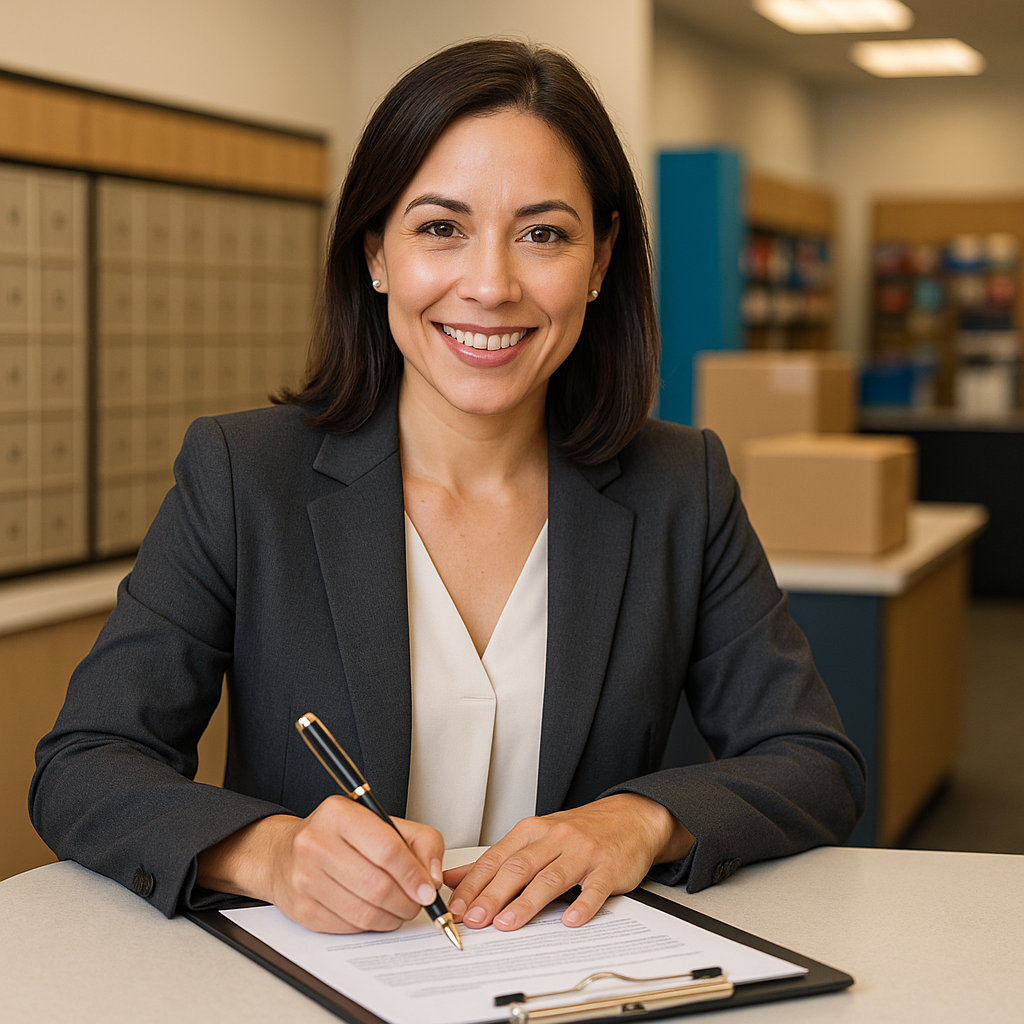
Legal documents are stressful enough on their own—tracking down a notary public and figuring out what needs to be signed, where to initial, and which ID to bring shouldn’t make it harder. Whether you’re finalizing a real estate purchase in Sherman Oaks, signing a power of attorney for a family member in Van Nuys, or handling a stack of business forms in the San Fernando Valley, understanding how notary services work will save you time, money, and last‑minute panic.
What a Notary Public Actually Does (And Doesn’t Do)
Before we dive into power of attorney forms and real estate closings, it helps to understand the notary’s role. There’s a lot of confusion here, especially when people are in a rush.
- Verifies identity: A notary confirms that the person signing is who they say they are, usually by checking government‑issued photo ID.
- Witnesses your signature: The notary watches you sign the document in front of them. You cannot sign ahead of time and just bring it in already signed.
- Checks willingness and awareness: The notary makes sure you’re signing voluntarily and understand what you’re signing (you’re not confused or pressured).
- Completes and seals the notarial certificate: They fill in the state‑required wording, sign, and apply their official stamp or seal.
Just as important is what notaries do not do:
- They don’t give legal advice. A notary can’t tell you which document you should use, interpret legal language, or say whether a document is “good enough.”
- They don’t draft complex legal documents (unless they’re also an attorney). Bring your document prepared, or get it from your attorney, title company, lender, or other appropriate source.
At Federal Mailbox Center on Van Nuys Blvd, we focus on making the signing part smooth and compliant so your lawyer, title company, or financial institution can do the rest.
Common Situations When You Need a Notary in California
You don’t need a notary for every document, but some paperwork simply isn’t valid without one. Here are some of the most common reasons people visit our notary services desk in Sherman Oaks.
1. Power of Attorney (POA)
A power of attorney gives another person the authority to act on your behalf. That can be as simple as letting a trusted family member manage a bank account, or as serious as making medical and financial decisions if you can’t speak for yourself.
In California, many POA forms require notarization to be accepted by banks, title companies, or healthcare organizations. Even when notarization isn’t strictly required by law, institutions may still insist on it as a fraud prevention measure.
You’ll typically see notarization required for:
- Durable Power of Attorney for finances or property
- Limited or Special Power of Attorney (for a specific transaction)
- Real Estate Power of Attorney so someone can sign property documents for you
2. Real Estate Documents
Real estate transactions are one of the biggest reasons people in the San Fernando Valley need a notary. If you’re buying, selling, refinancing, or transferring property around Sherman Oaks or Van Nuys, expect notary stamps somewhere in your paperwork.
- Grant Deeds and Quitclaim Deeds: Transfer ownership of property from one party to another. In California, these must be notarized to be recorded by the county.
- Deeds of Trust and Mortgages: Securing a loan against real property almost always involves notarized signatures.
- Loan Modifications and Refinances: Lenders routinely require notarization for borrowers’ signatures.
Title companies and lenders will often send you a signing package. You can sign with their mobile notary, or bring the documents to a local notary you trust. If you prefer a stable, walk‑in location right off the 101 and the 405, Federal Mailbox Center is a convenient option.
3. Financial and Business Forms
Notarization is common for many financial and business documents, including:
- Bank and investment account forms
- Affidavits and sworn statements
- Trust and estate documents (as directed by your attorney)
- Corporate resolutions or documents for LLCs and partnerships
If you’re a busy professional running a business in 91401 or nearby, having a reliable notary you can walk to or park near quickly can keep deals and deadlines on track.
4. International Travel and Immigration Paperwork
Depending on the country and the form, you may need documents notarized before they’re sent overseas or submitted to a consulate. This can include:
- Consent letters for minors traveling internationally
- Some immigration‑related affidavits
- Letters of invitation or support
From there, some documents may require an apostille or authentication at the state level—but the notarization is often the first step.
How Document Notarization Works: Step by Step
Knowing what to expect can make your visit quick and stress‑free. Here’s the general process when you come in for notary services at Federal Mailbox Center or any California notary.
Step 1: Bring the Right ID
California has strict rules about acceptable ID for notarization. In most cases, you’ll need a current (or recently expired) government‑issued photo ID such as:
- California driver’s license or state ID
- U.S. passport
- Foreign passport stamped by U.S. Customs and Border Protection
- U.S. military ID with photo and description
If your ID is expired or unusual, call ahead to confirm whether we can use it or whether you’ll need credible witnesses, which come with special requirements.
Step 2: Bring the Document—But Don’t Sign Yet
This is a mistake we see often in Sherman Oaks: a customer signs their power of attorney at home, then walks in with a fully signed document. For many notarial acts, especially acknowledgments and jurats, the notary must either:
- Witness your signature in person, or
- Have you affirm that the signature is yours and that you signed willingly
Play it safe: bring the document unsigned. The notary will tell you when and where to sign.
Step 3: Confirm Identity, Willingness, and Awareness
The notary will check your ID and may ask a few basic questions to be sure:
- You understand the type of document you’re signing
- You’re signing voluntarily
- You’re not under the influence or showing signs of confusion
This step is especially important for sensitive documents like a durable power of attorney or real estate deed. If there’s any doubt that you’re being pressured or don’t understand, a professional notary will decline the notarization to protect you and the integrity of the document.
Step 4: Complete the Notarial Certificate
Every notarization in California must include specific wording. Common types include:
- Acknowledgment: You confirm that you signed the document and executed it willingly. Often used for real estate documents.
- Jurat: You swear (or affirm) that the contents of the document are true, then sign in front of the notary. Often used for affidavits and sworn statements.
The notary will either use the wording already printed on your form (if it meets state requirements) or attach a California‑compliant certificate.
Special Tips for Power of Attorney Notarization
POA documents can become urgent in a hurry—someone is going into surgery, moving into assisted living, or facing an unexpected trip out of the country. To avoid last‑minute complications, keep these tips in mind:
- Check with the institution first. If the POA will be used at a specific bank, hospital, or title company, ask what form they prefer and whether they require witnesses in addition to notarization.
- Bring all signing parties if required. Some POAs require multiple people to sign (for example, the principal and the agent). Confirm who needs to be present.
- Don’t wait until the signer is very ill or medicated. The notary must be confident the signer is aware and acting willingly. If a person is heavily sedated or visibly confused, notarization may not be possible.
- Have ID ready for everyone signing. If an elderly family member in Van Nuys has an expired ID, handle renewal or alternative arrangements early.
When in doubt, consult the attorney who prepared the power of attorney before you head to the notary. That way you’re not delaying critical decisions because of a missing signature or unclear instructions.
Real Estate Notarization: Avoiding Delays at Closing
Real estate deals in Sherman Oaks and across the San Fernando Valley often run on tight timelines. A missed signature or incomplete notary acknowledgment can delay recording and, in the worst case, push back closing dates.
- Review the instructions from your title or escrow company. They usually specify which pages need to be notarized and where.
- Bring the full package, not just the signature pages. The notary may need to verify names, capacities (e.g., trustee, managing member), or other details.
- Sign names exactly as printed. If your name appears as “Jonathan A. Smith” on the deed, don’t sign “Jon Smith.” Mismatches can cause recording issues.
- Allow a little extra time. Plan your notary visit so you’re not rushing on your way to work or the airport. It’s worth the extra 10–15 minutes to double‑check everything.
If you’re juggling documents for a 1031 exchange, investment property, or refinancing your San Fernando Valley home, you can also combine services—print, sign, notarize, and ship from one place using our in‑house printing services and shipping services.
Practical Ways to Make Your Notary Visit Faster
Whether you’re walking in from a nearby office in 91401 or driving across town from another part of Los Angeles, a little preparation goes a long way.
- Call ahead for complex documents. If you have a large loan package, multiple signers, or special circumstances, a quick call lets us suggest the best time to come in or help you book an appointment.
- Check signature lines. Make sure you know which lines you’re supposed to sign and in what capacity (individual, trustee, corporate officer, etc.).
- Print clearly. If you’re filling in names and addresses by hand, write legibly to avoid questions from the receiving institution.
- Bring any instructions you’ve been given. Lender or attorney instructions can clarify whether an acknowledgment or jurat is required.
For regular notary users—like small business owners, freelancers, and landlords in Sherman Oaks—consider pairing your notarization needs with a private mailbox. That way, you can receive important legal and financial documents at a secure, business‑friendly address and handle notarization in the same visit.
Need a Notary in Sherman Oaks or Van Nuys?
If you know you have a power of attorney to sign, a real estate deed to record, or a stack of documents that might require notarization, don’t wait until the last minute. A quick conversation can clarify what you need and help you avoid unnecessary trips.
Federal Mailbox Center is conveniently located at 5632 Van Nuys Blvd, Sherman Oaks, CA 91401, serving residents and businesses throughout Van Nuys and the wider San Fernando Valley. To plan your visit, call us at (818) 990-1129, schedule a visit online, request an instant shipping rates estimate for any documents you need to send out after notarization, or explore our mailbox rental options to simplify how you receive important paperwork year‑round.